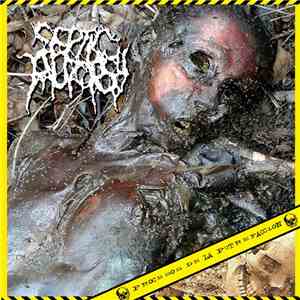
Pyemesis, Trabecular Hepatocellular Carcinoma - Pyemesis / Trabecular Hepatocellular Carcinoma album flac
 Performer: Pyemesis
Title: Pyemesis / Trabecular Hepatocellular Carcinoma
Style: Grindcore, Noise
Released: 2014
MP3 album: 1368 mb
FLAC album: 1202 mb
Rating: 4.5
Other formats: RA ASF WMA VOC ADX MMF WAV
Genre: Electronic / Rock
Trabecular Hepatocellular Carcinoma. Tempat promosi akun fb dan fp.
Hepatocellular carcinoma (HCC) is the most common type of primary liver cancer in adults, and is the most common cause of death in people with cirrhosis.
Page views in 2018: 40,642. Moderately differentiated: trabecular pattern with 4+ cells thick; larger tumor cells than well differentiated HCC with more eosinophilic cytoplasm, distinct nucleoli, pseudoglands, bile and tumor giant cells; most common pattern in advanced HCC. Poorly differentiated: large tumor cells with hyperchromatic nuclei in compact growth pattern with rare trabeculae or bile; prominent pleomorphism, may have spindle cell or small cell areas; may not appear to be hepatocellular.
Hepatocellular carcinoma is the most frequent primary malignancy of the liver and appears to be rising in incidence in the United States and other developed wes-term countries. Imaging studies play a key role in diag-nosis of hepatocellular carcinoma, and more and more commonly, patients are being diagnosed at an asymp-tomatic stage. The use of triphasic computed tomogra-phy scanning and improved magnetic resonance imag-ing equipment and protocols has led to greater sensitivity and specificity for these techniques in diag-nosis of hepatocellular carcinoma
Hepatocellular Carcinoma - Advances in Diagnosis and Treatment. The stroma features pericellular and trabecular fibrosis as well as inflammatory infiltrate, consisting of neutrophils, plasma cells and lymphocytes. Within the tumour, fibrosis can be prominent. The patients can have underlying steatohepatitis due to metabolic syndrome/NASH or alcohol-induced liver disease.
Hepatocellular Carcinoma (Liver Cancer): Introduction. Headed by Dr. Ahmet Gurakar, our team of full-time faculty members specializing in liver cancer includes: Ahmet Gurakar, . James P. Hamilton, . Hepatocellular carcinoma is a tumor of the liver. Hepatocellular carcinoma is responsible for over 12,000 deaths per year in the United States where the incidence of the disease is approximately . per 100,000 population. The tumor could also be graded based on the degree of cell differentiation into well, moderately, and poorly differentiated.
Keywords were hepatocellular carcinoma, grade OR grading, and prognosis appearing on the title or abstract. Figure S1. Histological representation of a low-grade hepatocellular carcinoma. Hepatocellular carcinoma with trabecular architecture (three to four cell thickness) and mild cytological atypia. Some acini can be observed, filled with proteinaceous fluid. This tumor is classified as well differentiated according to the WHO criteria, but is better aligned under ES’s grade II tumors. Figure S2. Histological representation of a high-grade hepatocellular carcinoma.
A moderately differentiated HCC is the most easily recognizable form of HCC. This example shows a trabecular growth pattern with dilated sinusoids. This example of a moderately differentiated HCC shows nuclear atypia in the form of enlarged convoluted nuclei (arrowhead) but retain the cytoplasmic quality of normal hepatocytes. This degree of nuclear atypia is not seen in adenomas. A solid growth pattern with large tumor nodules separated by thick fibrous bands (two arrowheads) can be seen in moderately to poorly differentiated HCC. The malignant nature of such tumor is obvious by the very abnormal architecture. This iated HCC shows a macrotrabecular pattern.
Hepatocellular carcinoma (HCC) is one of the most common malignant tumors worldwide. HCC is the fourth most common cause of cancer death in the world with 610,000 deaths per year compared with 519,000 deaths per year for breast cancer (the fifth most common cause). In the United States in 2009, there were 22,620 new cases of liver cancer with 18,160 deaths. 12 The histology grading of HCC ranges from well-differentiated to highly anaplastic tumors. This tumor grade has been found to predict survival.
Tracklist
| 1 | Pyemesis Track 01 |
| 2 | Pyemesis Track 02 |
| 3 | Pyemesis Track 03 |
| 4 | Pyemesis Track 04 |
| 5 | Pyemesis Track 05 |
| 6 | Pyemesis Track 06 |
| 7 | Pyemesis Track 07 |
| 8 | Pyemesis Track 08 |
| 9 | Pyemesis Track 09 |
| 10 | Trabecular Hepatocellular Carcinoma Track 01 |