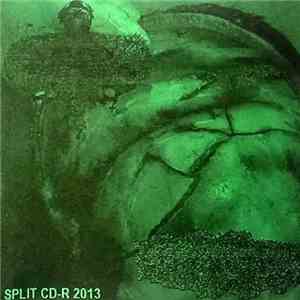
Enterococcal Infection of the Urinary Tract Causes Severe Urinary Incontinence - Decomposing Corpse Laying by the Road With It's Cranial Contents Scooped Out of It's Skull album flac
 Performer: Enterococcal Infection of the Urinary Tract Causes Severe Urinary Incontinence
Title: Decomposing Corpse Laying by the Road With It's Cranial Contents Scooped Out of It's Skull
Style: Grindcore
Released: 2013
MP3 album: 1925 mb
FLAC album: 1292 mb
Rating: 4.5
Other formats: MMF MIDI WAV WMA APE AU VOC
Genre: Rock
Enterococcal Infection of the Urinary Tract Causes Severe Urinary Incontinence - Jacket Made by the Molten Flesh of Executed Prisoners 02:42. Enterococcal Infection of the Urinary Tract Causes Severe Urinary Incontinence - Flies Eat Away the Frozen Body 01:08. Enterococcal Infection of the Urinary Tract Causes Severe Urinary Incontinence - Bodies in the Schuylkill River 01:20.
Urinary tract infections (UTIs) are among the most common infections in humans. Most UTIs are caused by bacteria, but some are caused by fungi and in rare cases by viruses. Common symptoms include pelvic pain, burning with urination, and bloody urine. Learn how antibiotics and home remedies may help you find relief. Symptoms of a UTI depend on what part of the urinary tract is infected. Lower tract UTIs affect the urethra and bladder. Symptoms of a lower tract UTI include
Usually caused by bacteria, urinary tract infections are much more common in women than men. This article looks at the different types of infection, how to prevent them, and treatment options, including home remedies. The vast majority of urinary tract infections (UTIs) are caused by the bacterium Escherichia coli ( E. coli ), usually found in the digestive system. Chlamydia and mycoplasma bacteria can infect the urethra but not the bladder. UTIs are given different names depending on where they occur.
Urinary tract infections typically occur when bacteria enter the urinary tract through the urethra and begin to multiply in the bladder. Although the urinary system is designed to keep out such microscopic invaders, these defenses sometimes fail. When that happens, bacteria may take hold and grow into a full-blown infection in the urinary tract. The most common UTIs occur mainly in women and affect the bladder and urethra. Infection of the bladder (cystitis). This type of UTI is usually caused by Escherichia coli (E. coli), a type of bacteria commonly found in the gastrointestinal (GI) tract.
A lower urinary tract infection typically occurs when bacteria enter the urethra and cause an infection in the bladder. When symptoms appear, they often start with a dull ache or discomfort in the pelvis or urethra. If your loved one is older, the main clues to watch out for are sudden changes in behavior and bladder control, especially if accompanied by lower abdominal pain or strong-smelling urine. UTI complications often occur as result of an untreated or undertreated infection. Because a urinary tract infection in newborns will often have few, if any, of the classic signs of a UTI, a child may only become symptomatic when sepsis (also referred to as urosepsis) develops. Sepsis is always considered a medical emergency.
A urinary tract infection (UTI) occurs when bacteria adhere to the urinary tract and begins to multiply. Bacterial urinary tract infections are relatively common in canines, with females being more susceptible than males. Treatment of an infection of the urinary tract should be straightforward. In cases of an uncomplicated UTI, treatment will be the administration of antimicrobials (an agent such as antibiotics, that destroys or inhibits the growth of microorganisms).
Chances are, it’s happened to you: You go to the bathroom and feel a burning sensation when you urinate. That feeling is a telltale symptom of a urinary tract infection (UTI), and it’s one that most women are familiar with. UTIs are incredibly common. In fact, the risk of a woman contracting one in her lifetime ranges from 40 percent to more than 50 percent. UTIs are inconvenient and uncomfortable for sure. Don’t just suffer through a UTI and wait for it to go away on its own.
A urinary tract infection is an infection of any part of the urinary tract, which includes the bladder, kidneys, ureters and urethra. Patients who are prescribed antibiotics should take them exactly as it was recommended by your healthcare provider, and they should not stop taking the drug until your provider says it is safe to do so, according to the Centers for Disease Control and Prevention. A recent opinion article published in The BMJ (British Medical Journal) has questioned the long-held advice of finishing a course of antibiotics even if a person is feeling better to prevent the relapse of an infection. A more severe infection of the kidneys may require hospital treatment. Hospital treatment involves injecting fluids and antibiotics through a vein.
What are Urinary Tract Infections? What Causes UTIs in Women? Symptoms of UTIs. Tests and Treatments for UTIs. If you suspect you have a urinary tract infection, head to the doctor. You'll be asked to give a urine sample, which will be tested for the presence of UTI-causing bacteria. The treatment? Antibiotics to kill the intruders. A group of these renegades can travel out of the cells, and then re-invade, ultimately establishing a colony of bacteria primed to attack again and again. Some women are genetically predisposed to UTIs, while others have abnormalities in the structure of their urinary tract that make them more susceptible to infection. Women with diabetes may be at higher risk, as well, because their compromised immune systems make them less able to fight off infections like UTIs.
Tracklist
| 1 | Ileostomy for Severe Ulcerative Colitis | 0:48 |
| 2 | Cystic Fibrosis of the Pancreas and Intestines | 1:16 |
| 3 | Ductal Adenocarcinoma | 1:16 |
| 4 | Bodies in the Schuylkill River | 1:20 |
| 5 | Decomposing Corpse Laying by the Road With It's Cranial Contents Scooped Out of It's Skull | 2:12 |
| 6 | Flies Eat Away the Frozen Body | 1:08 |
| 7 | Toupee Wig Made of Human Skin | 1:37 |
| 8 | Jacket Made by the Molten Flesh of Executed Prisoners | 2:42 |
| 9 | Amputation of the Legs and Arms | 4:58 |
| 10 | The Room Where Flesh Boils to Steam | 2:23 |
| 11 | True American Punishment - A Diet | 1:42 |
| 12 | In the Dumpster | 1:58 |
| 13 | Westboro Baptist Church (Burn it Down) | 3:43 |
| 14 | Ectopic Duodenum | 3:22 |