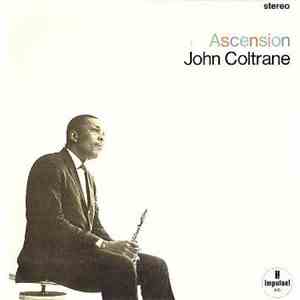
John Coltrane - Ascension (Edition II) album flac
 Performer: John Coltrane
Title: Ascension (Edition II)
Style: Free Jazz, Post Bop, Free Improvisation
Released: 2015
MP3 album: 1959 mb
FLAC album: 1567 mb
Rating: 4.7
Other formats: ADX DXD AAC AU AHX VOC MOD
Genre: Jazz
Ascension is a jazz album by John Coltrane recorded in 1965 and released in 1966. It is often considered to be a cornerstone of Coltrane's work, with the albums recorded before it being more conventional in structure and the albums recorded after it being looser, free jazz inspired works. In addition, it signaled Coltrane's interest in moving away from the quartet format
Matrix, Runout (Runout fragment side A+B, stamped): VAN GELDER. Other Versions (5 of 33) View All.
Matrix, Runout (Runout fragment side A+B, stamped): VAN GELDER.
John Coltrane My One and Only Love. play) (pause) (download) (fb) (vk) (tw).
One of the freest, most exploratory albums ever recorded by John Coltrane – and a unique session done with an expanded group of some of the most important avant jazz players of his generation! The format here is similar to Ornette Coleman's Free Jazz album – in that the music is freely improvised, and spans the entire LP as a non-stop performance – one that has Coltrane in the lead, but which also features alto from Marion Brown and John Tchicai, tenor from Archie Shepp and Pharaoh Sanders, trumpet from Freddie Hubbard and Dewey Johnson – and core.
Ascension is the single recording that placed John Coltrane firmly into the avant-garde. Whereas, prior to 1965, Coltrane could be heard playing in an avant vein with stretched-out solos, atonality, and a seemingly free design to the beat, Ascension throws most rules right out the window with complete freedom from the groove and strikingly abrasive sheets of horn interplay
Ascension is a jazz album by John Coltrane recorded in 1965 and released in 1966. In addition, it signaled Coltrane's interest in moving away from the quartet format